
Remember6 Blog
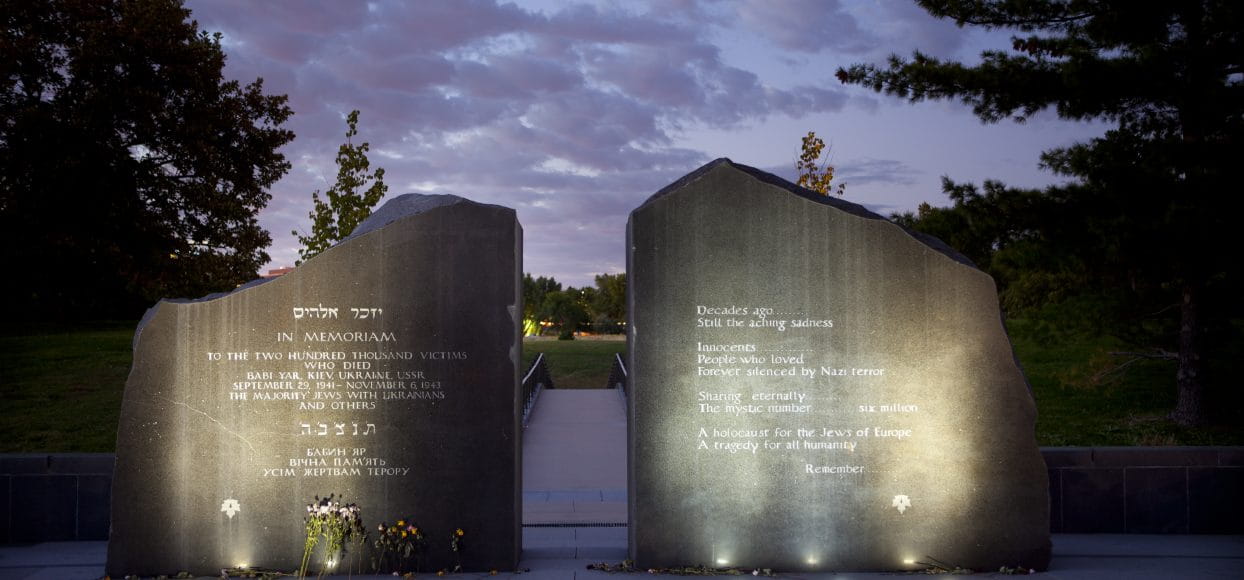
As the number of living Holocaust survivors declines, testimony becomes even more essential—not as content, but as witness.
Testimony is not a clip—it’s a relationship
Survivor interviews ask us to slow down. They resist simplification and keep remembrance anchored in lived reality.
How to listen well
Listen without rushing to conclusions. Note names, places, and small details. Let the human being stay in focus—not the headline.
Preserving testimony is a form of protection
When testimony is preserved and shared responsibly, it counters denial and keeps historic truth accessible for the next generation.
Whoever listens to a witness becomes a witness.
Commonly attributed (Holocaust remembrance saying)
Watch: Survivor testimony
Video
Books to read (for historical grounding)
- Survival in Auschwitz (Primo Levi) — A foundational testimony that pairs precision with moral clarity.
- The Drowned and the Saved (Primo Levi) — A deeper reflection on memory, language, and the aftermath of survival.
- The Holocaust and Memory in the Global Age (Daniel Levy & Natan Sznaider) — How remembrance evolves across time and societies.
Remember6 reflection prompt: What does “purposeful remembrance” require of me this week—in what I share, what I correct, and what I refuse to normalize?
Stay connected. Join Remember6 to receive updates on events, new testimonies, and resources.